The Best Material for Wall Panels in Dubai's Climate
Table of Contents
ToggleDubai has been shaped for generations by extreme heat, high humidity and the occasional sandstorm. Selecting a proper material is one of the most critical steps when it comes to wall panels, ensuring that durability, aesthetics, and long-term performance are not compromised. When utilised correctly, however, Decorative Wall Panels can beautify an area while assisting with insulation and nature protection.
Dubai’s Climate Challenges: What Is the World Doing?
During summer months, extreme sunlight and rising temperatures above 40°C are common in Dubai, with relatively high humidity levels throughout the month, particularly in coastal areas, making it easy for moisture and humidity to damage the materials. Moreover, the region experiences dust and sandstorms requiring easy-to-clean and maintain materials.
Wall Panels — Ideal Materials
Wood-Plastic Composite Wall Panel (WPC)

WPC combines wood’s aesthetics with plastic’s resistance, a perfect solution in Dubai’s climate. It’s moisture-resistant, won’t warp under high temperatures, and is easy to maintain. In addition to these, the WPC boards are eco-friendly and deliver a natural feel to interior as well as exterior.
PVC Wall Panels – The Smart Choice for Low-Maintenance Walls
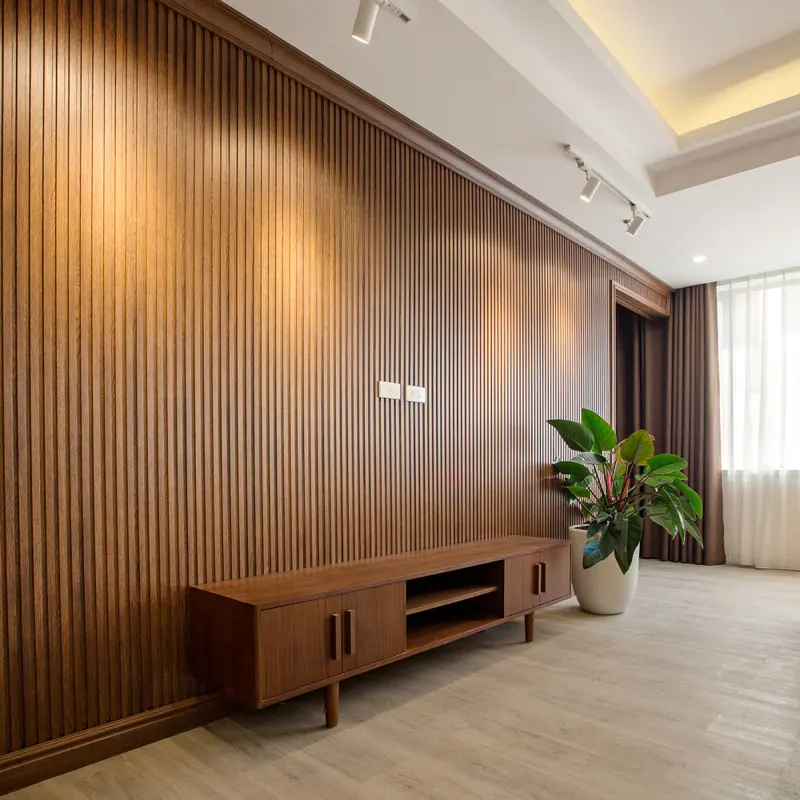
PVC wall panels are very durable against moisture and heat, which makes them suitable for the humid condition in Dubai. Because they do not absorb water, and, hence, are resistant to mould, they are easy to clean and making them a flooring solution suitable for both commercial and residential applications.
Aluminum Composite Wall Panels ACP - Technology

ACP is widely embraced in contemporary exteriors and interiors for its durability and heat-resistant features. It is impervious to corrosion, making it ideal in moisture-laden environments. Because of its lightweight material and sleek appearance, it is a popular choice for modern designs.
Gypsum Wall Panels – The Ideal Solution for Sleek, Modern Interiors

Gypsum panels are commonly used in interiors due to their incombustibility and thermal insulation properties. The only catch is that they must be sealed and treated to resist humidity. When treated well, These give a smooth finish and are also used to make false ceilings and decorative walls.
Stone Veneer Wall Panels – The Perfect Blend of Style and Durability
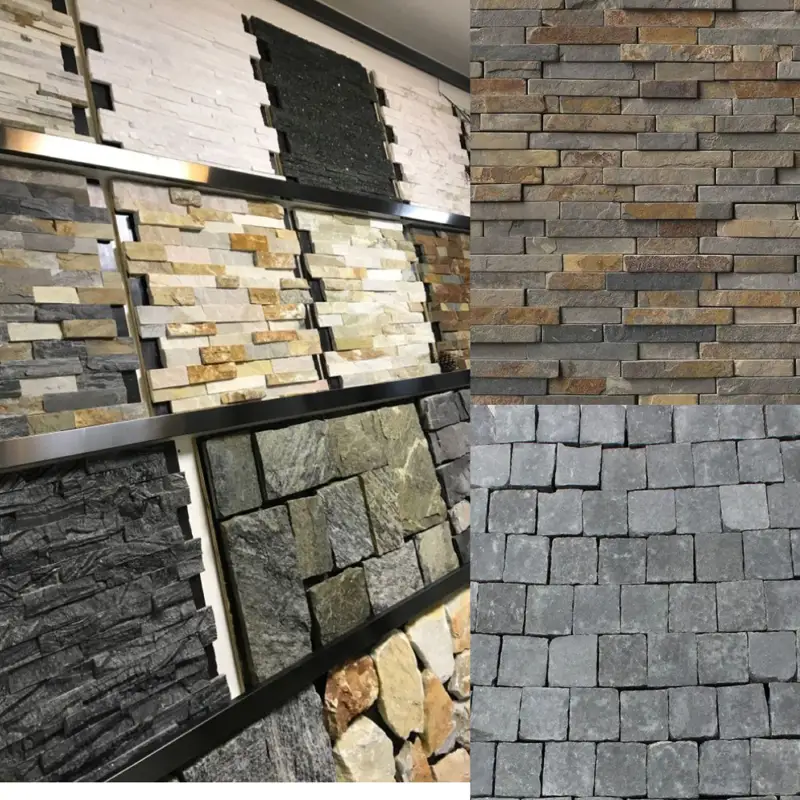
Stone veneer panels are all you need if you want something classy yet hardy! They are natural heat insulators and lend an elegant feel to a space. Stone panels are also low maintenance and won’t crack or decay in the heat of Dubai.
Additional Top-Quality Materials for Wall Panels in Dubai To Withstand The Climate
The harsh weather of Dubai requires high-quality wall panel materials that endure heat, humidity, and dust without loss of aesthetics. Many lesser-known options provide durability and styling, beyond the commonly used WPC, PVC, ACP, gypsum, stone veneer, Fractals, etc. Here are five other wall panel materials that work well in Dubai’s climate.
High-Pressure Laminates Panel (HPL)
High-pressure laminates (HPL) are a great choice for both residential and commercial interiors. These panels have high resistance to heat, moisture, and impact and are ideal for Dubai’s hot climate. They’re scratch-resistant, too, so they keep their good looks for years. Available in various colors, textures, and finishes, HPL panels enable creative and contemporary interiors with low maintenance.
Fiber Cement Wall Panels
A fiber cement panel is exceptionally durable and has great weather resistance. These panels are made from cement, sand, and cellulose fibers, and they are fireproof, moisture-resistant, and highly stable under extreme temperature fluctuations. Their non-porous surface makes them resistant to mold and mildew, making them a great option for humid spaces. Additionally, they offer a natural and textured finish which makes the walls look sophisticated and timeless.
GRC (Glass Reinforced Concrete) Wall Panels
GRC panels are a contemporary and super durable material fabricated to get decorative wall cladding. These panels are composite cement, sand, and glass fibers that offer high strength while being lightweight. They also resist extreme conditions — heat, humidity, and UV exposure. GRC panels can be cast into complex shapes, so they are also beautiful materials for modern building facades and interior feature walls.
Natural Wood Panels (Treated)
Untreated wood is not so great for a location such as Dubai, but specially templated natural wood panels can work. Thermo or pressure-bound wood panels are comparatively heat, moisture, and insect resistant. These wooden Wall panels add a warm, organic look to interiors and can be sealed with protective coatings so that they become more durable. Wood panels are frequently employed as accent walls, combining elegance and natural beauty.
Terracotta Wall Panels
Eco-friendly, heat-resistant wall cladding, these terracotta panels do perform well when used in hot climates. Made from clay a naturally abundant material with great thermal mass and insulation properties these panels ensure that temperature control becomes smarter and more efficient, making housing much more energy-efficient. The raw, earthy tones and textured finishes create a stunning aesthetic wherever they are placed, making them a fantastic option for both traditional and modern designs. Terracotta panels are also long-lasting and require very little maintenance.
Final Thoughts
Factors that determine the right items for the best material in Dubai wall panels systems include climate conditions, maintenance requirements and aesthetics. The materials and manufacturing processes must focus on resisting heat, moisture, and dust. Set the trend using Gold Standard products such as WPC, PVC, ACP or stone veneers that not only beautify your surroundings, but also have a longer life span than standard materials. A decision that if misguided will leave property owners with chic but soft interiors to wear down in Dubai’s demanding elements for years to come.
Recent Post